ITRC to Investigate:“Novel Adsorption Media for Remediation of PFAS in Water Systems”
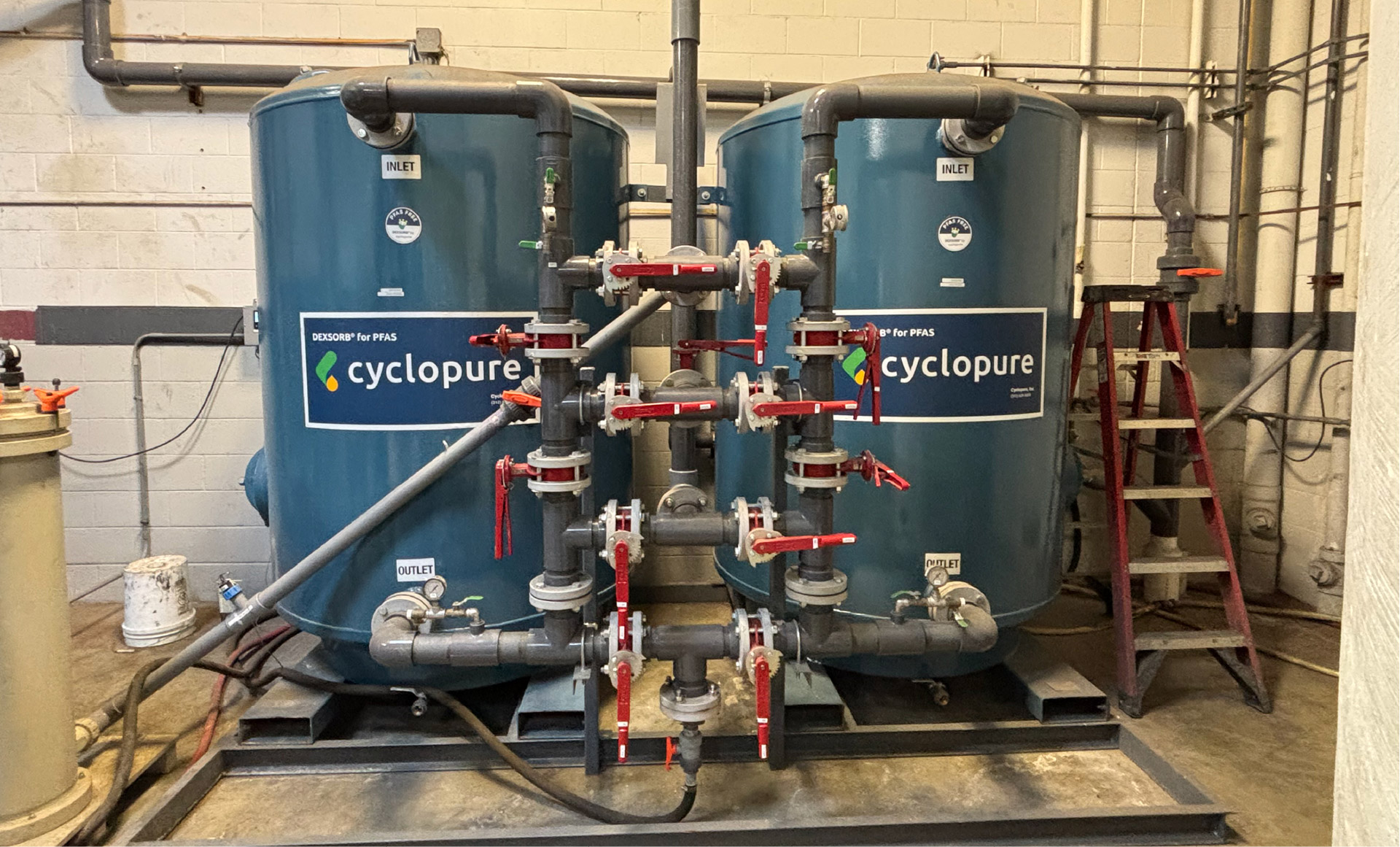
Proposal Spotlight: DEXSORB® Among Novel Adsorbents to be Considered
Excerpts from the ITRC Project Team Proposal follow below. Click here for link to PDF of full proposal.
This work will result in various deliverables in order to educate engineers, municipalities, etc. on the suite of options available or in development for per- and polyfluoroalkyl substance (PFAS) remediation. This will include the guidance document which will highlight strengths and weaknesses of novel media as was done for granular activated carbon (GAC) and anion exchange resins (AER) in the previous guidance document in order to create easy access resources for these lesser-known adsorbents. The goal of this work is to provide a deeper understanding of these novel adsorbents therefore strengthening the efforts of PFAS treatment across the United States.
“Environmental contamination of PFAS has gained widespread recognition in the past decade due to the significant human and environmental health implications associated with the contaminant class. This has led to the implementation of several regulatory limits, both at the state and federal levels, including the United States Environmental Protection Agency (USEPA) PFAS drinking water maximum contaminant levels (MCL). Current requirements state that these MCLs must be met by drinking water providers by 2031, therefore creating a significant demand for water remediation techniques. Development of technology for water treatment and remediation of PFAS contamination is critical in order to meet USEPA PFAS MCLs by the deadline. Current treatment technologies typically include sorption-based remediation with GAC and AER…There are some drawbacks with GAC and AER for water treatment.”
- “It is well known that GAC is widely impacted by organic co-contaminants and complex matrices in source water. This often leads to fouling of the media, clogging of the micropore structures that characterize GAC, as well as decreased bed life due to competitive sorption with the other contaminants in source water. Additionally, the sorption kinetics of GAC are slow therefore requiring long contact times, i.e. empty bed contact time, which requires a significant volume of media and a large spatial footprint.”
- “Matrix impacts on AER can also have an impact on media performance. Source water with significant salt concentrations or co contaminants such as nitrates face effects of competitive sorption which can reduce the bed life of the resins. In addition, the possibility of carcinogenic nitrosamines leaching from AER as a result of the production process or as a reaction product of chlorination disinfection processes, which poses a potential risk to consumers.”
“This proposal is for the development of a second sorption document which pivots the focus to novel adsorbents. Novel adsorbents were briefly discussed in the 2024 ITRC sorption technologies proposal, but the focus of the final document was decided to be on GAC, AER, and foam fractionation. This decision was made based on the proven readiness of the technologies. Since this time, novel sorbents including surface modified clay (FLUORO-SORB® Adsorbent), cyclodextrin based adsorbents (DEXSORB®), membrane reactors (NanoSORB™), etc. have been demonstrated as viable options for water treatment and can address some of the needs discussed earlier. The guidance produced from this proposal will highlight novel adsorbents that are on the market, discuss their capabilities and drawbacks, as well as discuss their technology readiness levels.”