
How The Shaw Institute Is Helping Maine Communities Access PFAS Water Testing with Cyclopure
The Shaw Institute in Blue Hill, Maine is helping communities answer a simple but urgent question: what’s in my water?
As awareness of PFAS contamination grows across the states, more residents, schools, and local groups are looking for answers.
Maine’s history with industrial activity and biosolids use has made testing a priority in many communities, but access to that testing has not always been straightforward. Traditional water testing can be expensive, time-consuming, and difficult to access, especially for individuals who just want a basic understanding of their water quality.
Dr. Charles Rolsky, Executive Director of The Shaw Institute, saw this gap firsthand. Most people reaching out weren’t conducting research or pursuing legal action, they simply wanted to know if their water was safe to drink.
Finding a Different Way to Test
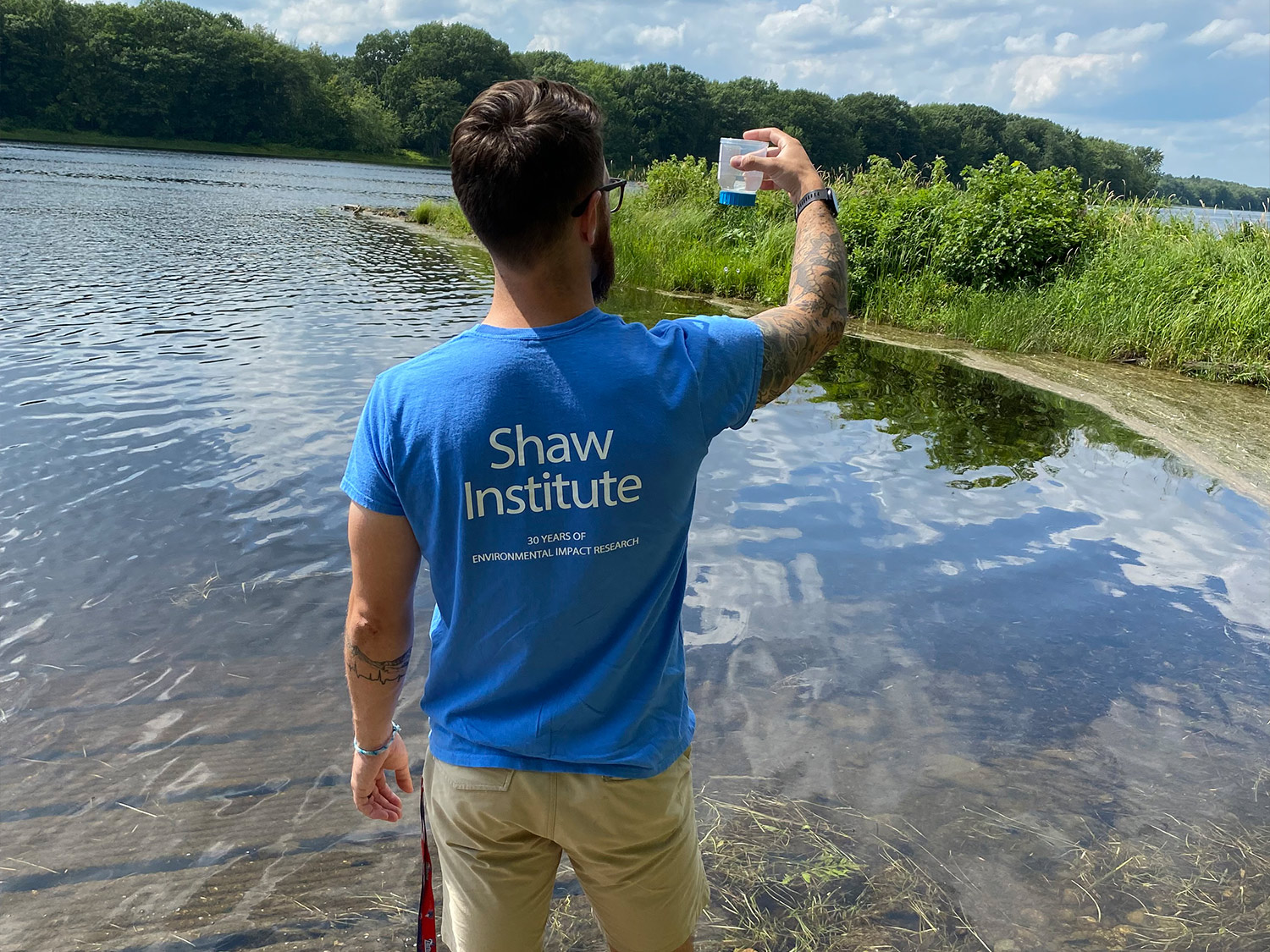
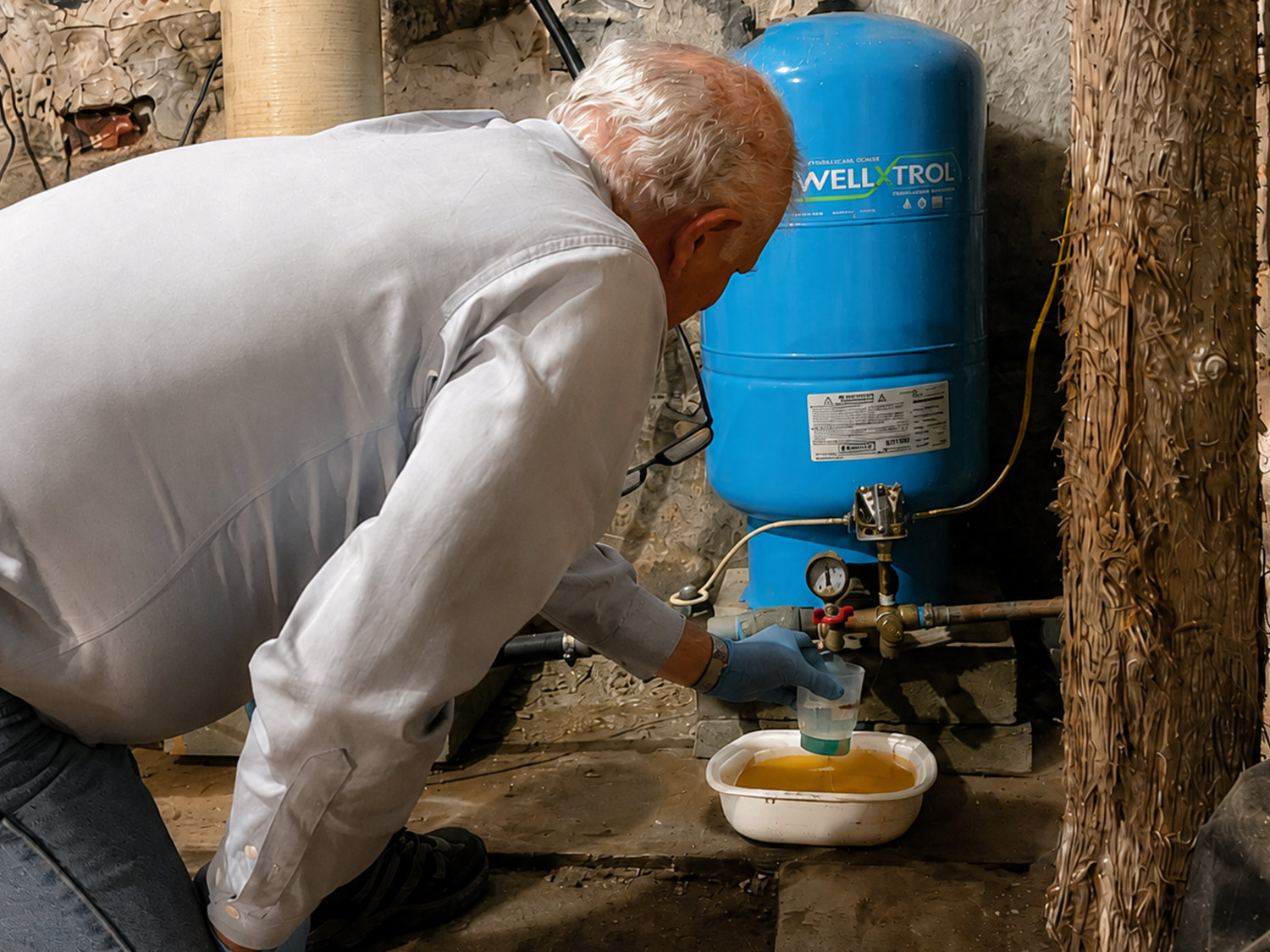
To address this need, the Institute turned to Cyclopure’s Water Test Kit Pro for PFAS. Initially, the lower cost raised questions, but after reviewing the science and methodology, the team gained confidence in the approach.
“They shared the method. We looked at it. And that’s when we really bought into it,” Rolsky says.
That moment mattered. It shifted Cyclopure’s Water Test Kit for PFAS from something they were evaluating to something they were willing to use, recommend, and build into their work.
The test uses DEXSORB®, a material designed to capture PFAS during sampling, making collection easy and efficient. Instead of shipping large water samples, users can collect and send compact test discs for lab analysis. The analysis itself is performed in the lab using HPLC-MS/MS, testing 55 PFAS analytes including all 40 EPA Method 1633 compounds.
How did it go?
For The Shaw Institute, the biggest advantage is practicality. Cyclopure’s kits were easy to use in real-world settings, allowing for faster and more consistent testing. In one project, the team processed 92 samples in about four hours, something that would be far more difficult with traditional methods.
This efficiency has allowed their work to expand from individual testing to larger community efforts. The Institute has supported local programs and even provided over 100 free tests through grant funding. Demand was so high that they quickly ran out.
Importantly, testing is just the first step. Once people receive their results, the Institute helps them understand what those results mean and what actions they can take. Options may include further testing or installing filtration systems.
“I don’t have to tell people to go drink bottled water,” Rolsky says. “I can say, here are your options.”
Those options vary. They might include additional testing or looking into PFAS filtration systems, like the ones Cyclopure offers. What matters is that people are no longer operating in uncertainty.
Access to affordable, reliable PFAS testing makes it easier for communities to stay informed and make better decisions about their water.
What This Means for You
The work happening at The Shaw Institute reflects something broader.
Having access to a PFAS test kit that is practical and reliable makes that step easier. It removes some of the barriers that have historically limited testing and opens the door to more consistent, informed decision-making.
Once you understand your water, the next step becomes much easier to take.
