
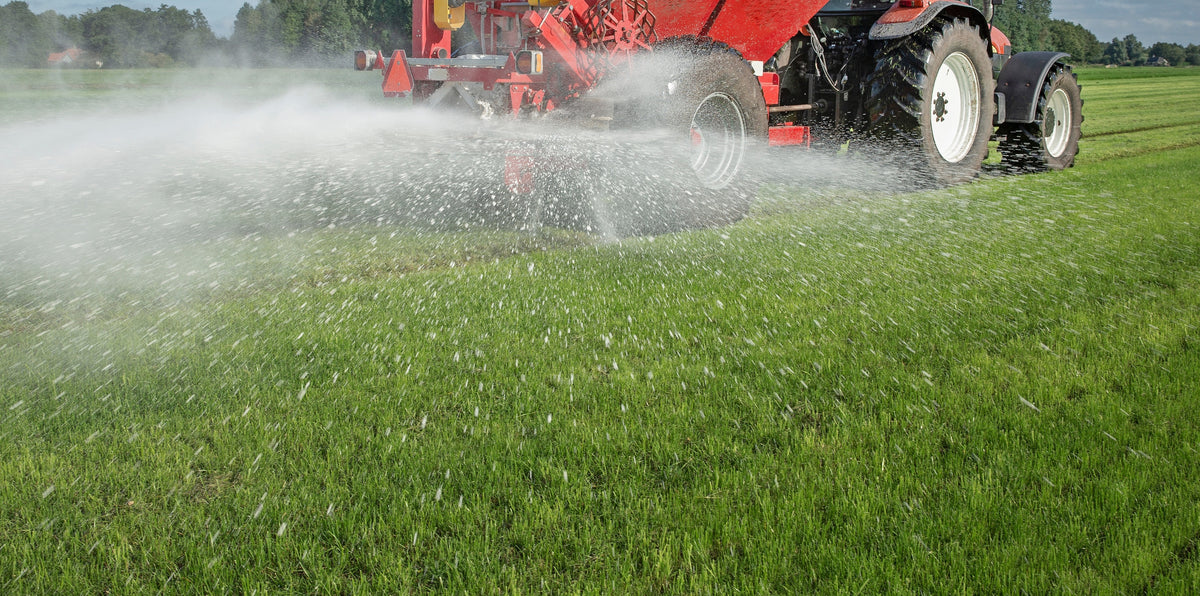
Biosolids, the treated sewage sludge many farms use as fertilizer, can carry chemicals into the soil around your well. Among the most persistent are per- and polyfluoroalkyl substances (PFAS), often called forever chemicals because they resist breaking down. Understanding PFAS in biosolids helps you judge whether nearby fields could affect the groundwater your household drinks.
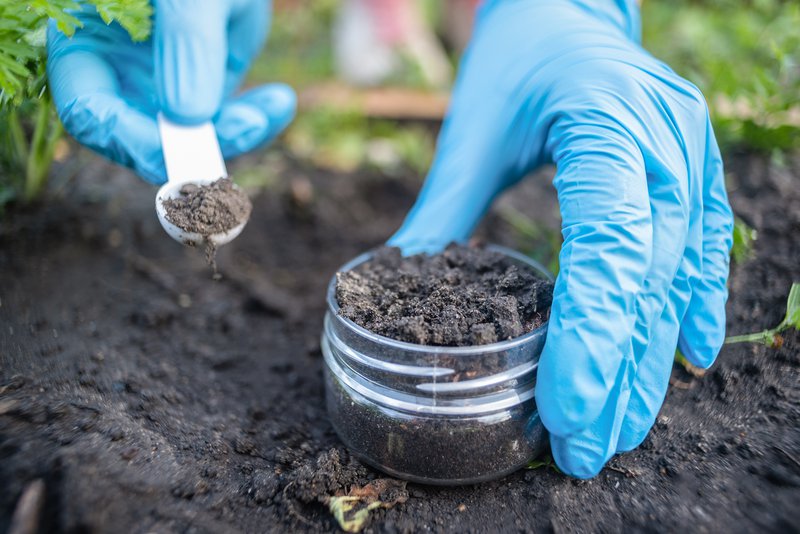
Our materials scientists and environmental engineers study how PFAS move from farmland into the water table below. We do not test soil or sludge, but we do test the wells and runoff those fields can affect. Here is what current research shows and how you can protect your private well.
What PFAS in Biosolids Mean for Your Private Well
PFAS in biosolids can leach from fertilized fields into groundwater, where nearby private wells may draw them up. Not all biosolids contain elevated PFAS, so living near a treated field does not automatically mean your well is affected. A PFAS test of your well water gives you a clear answer, and a filter addresses what the test finds.
How PFAS in Biosolids Reach Farm Fields and Groundwater
PFAS enter wastewater from industrial discharges and everyday household products, and standard treatment does not remove them. Instead, the chemicals concentrate in the leftover sludge, which facilities often market to farmers as biosolids fertilizer. Farmers value biosolids for nitrogen and phosphorus, and many have spread the material on fields for decades.
Once PFAS in biosolids reach the soil, rain and irrigation can carry them downward toward the water table. Short-chain PFAS tend to travel faster and farther, while long-chain compounds often bind more tightly to soil. As a result, the mix of compounds in a nearby well can differ from the mix in the original sludge.
Runoff adds another pathway, since heavy rain can wash PFAS into ditches and streams that feed shallow groundwater. Meanwhile, PFAS can linger in treated soil for years, long after the last application ends.
The Environmental Protection Agency (EPA) focused its draft biosolids risk assessment on people living on or near affected farms. The assessment also considers households that rely on products from those sites, including their drinking water. However, the EPA noted its analysis does not suggest these biosolids affect the general food supply.
What Yale Research Reveals About PFAS on Farmland
Yale University researchers have studied how PFAS build up on farmland after decades of sludge fertilizer use. According to Yale, PFAS from homes and factories flowed into sewage sludge, and farmers applied it as fertilizer for decades. The team estimates PFAS may significantly affect about 2.96 million acres of U.S. cropland.
Small and organic farmers often bear the heaviest burden, since many used sludge fertilizer before scientists grasped the problem. Maine, where the study's field data came from, banned sludge application on farmland in 2022.
Current cleanup options, like excavating or burning contaminated soil, can cost hundreds of thousands of dollars per acre. In contrast, the Yale method spreads crushed alkaline rock that helps plants pull perfluorooctane sulfonic acid (PFOS) from soil. Researchers then turn the harvested plants into biochar, a process that destroys the captured PFAS.
The approach lets farmers keep working their land during cleanup, unlike current remediation methods. Still, EPA guidance notes that not all sewage sludge contains detectable or elevated levels of the two most studied PFAS. For well owners, PFAS in biosolids remain a groundwater question, and only a water test can answer it.
Protecting Your Well From PFAS in Biosolids Runoff
If your well sits near fields that received biosolids, a few practical steps give you clear answers and lasting protection. We test the water rather than the soil, since your well water is what your household drinks every day. Start with these steps to address PFAS in biosolids runoff near your property.
- Ask your county extension office or state environmental agency whether nearby fields hold biosolids application permits.
- Test your well with our Water Test Kit Pro, which screens 55 PFAS down to 1.0 parts per trillion (ppt).
- Retest after heavy rain or new applications nearby, since runoff can change what reaches your aquifer.
- Install PFAS treatment if results show elevated levels, starting with drinking water and expanding to the whole home.
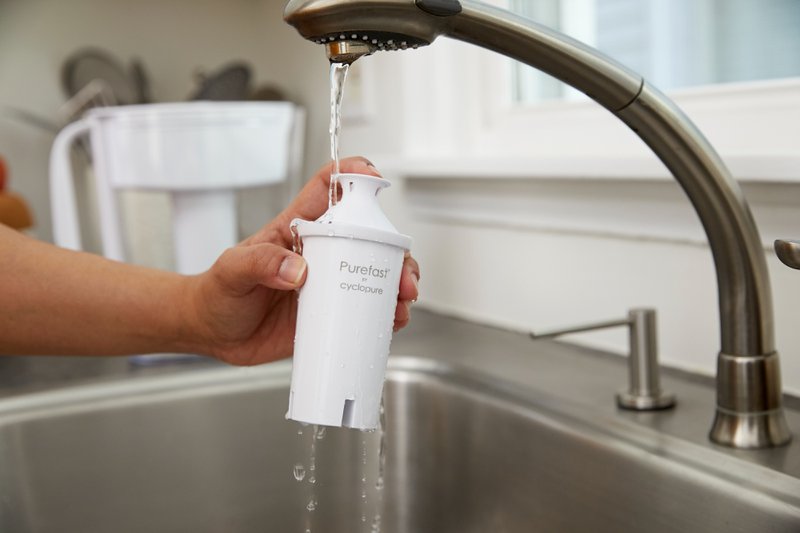
For drinking and cooking, the Purefast® Countertop fits pitchers that use standard-size Brita® filters. Beyond the kitchen, Purefast® Home systems hold DEXSORB®, the same industrial-grade adsorbent used in large-scale PFAS treatment. In testing, our Home filters reduced eight PFAS to non-detect levels, including short-chain compounds like GenX.
NSF International is updating its residential PFAS filter standard to a 4 ppt target using a lower challenge concentration. We have been awaiting the revision and plan to pursue certification for Purefast® Home systems once it takes effect.
Test Your Well Water With Cyclopure Today
Biosolids can carry PFAS onto nearby fields, but living near a treated field does not settle the question alone. Your soil history offers clues, while a well water test tells you what reached your household. With real data, you can choose a Purefast® system sized for your needs and retest to confirm results.
Our materials chemists and environmental engineers built Cyclopure around one goal, which is getting PFAS out of water. Whether your well sits beside farmland or you simply want facts, we can help you plan your next step. Drop our team a line today to get your well tested and your questions answered.