
Water filter marketing is full of confident language about forever chemicals. Nearly every product page promises reduction. Very few explain what was tested, at what concentration, or for how long. NSF 53 PFAS certification is one of the few claims backed by independent laboratory work. It gives you a verified reference point instead of a marketing adjective. It also has real boundaries that product pages rarely mention. Knowing what the mark covers, and what it leaves out, makes you a far better shopper.
What NSF/ANSI 53 Certification Actually Covers
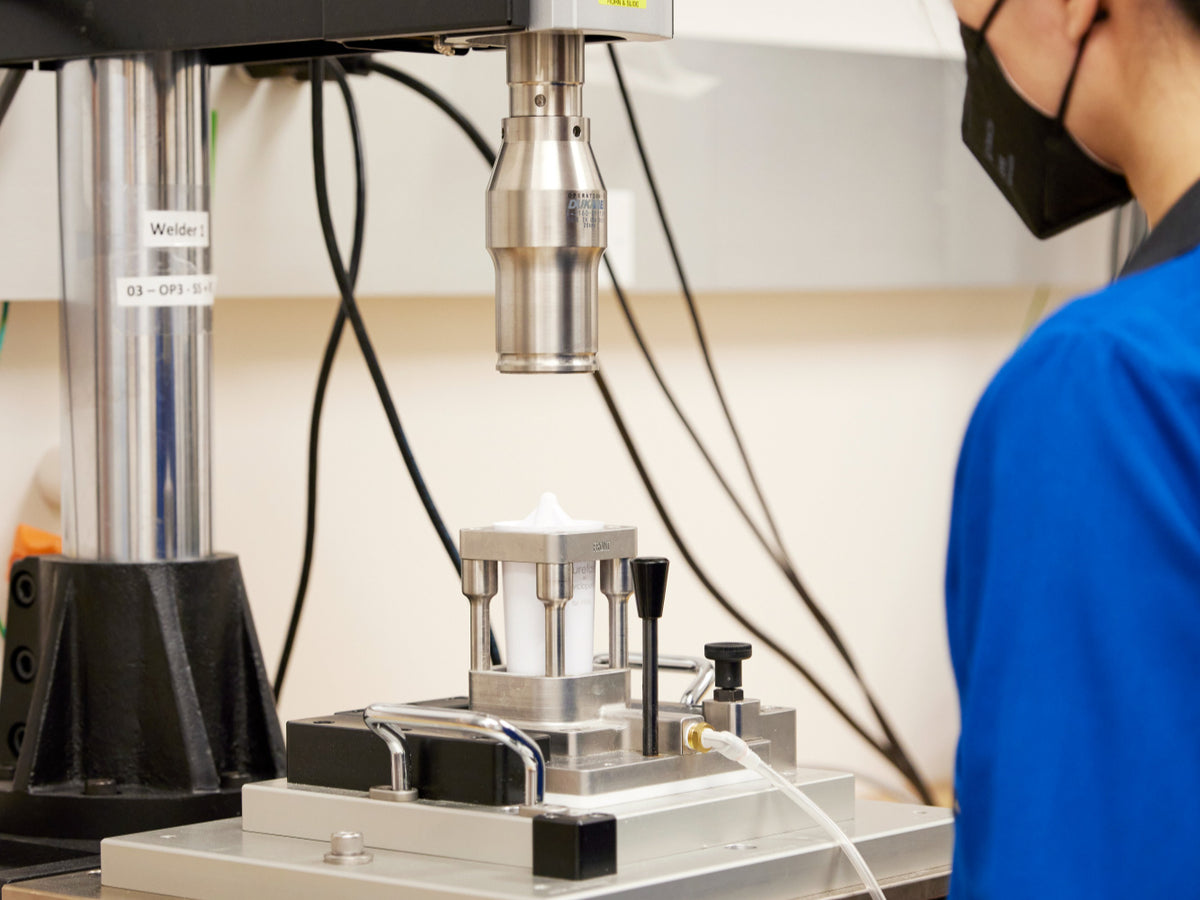
NSF/ANSI 53 is the American National Standard for drinking water treatment units and health effects. It applies to point-of-use and point-of-entry systems. Certification is not a paperwork exercise. A filter gets challenged with spiked water under controlled pH, hardness, flow rate, and pressure. Testing runs in on and off-cycles to mimic real household use. Samples are pulled throughout the rated life of the cartridge.
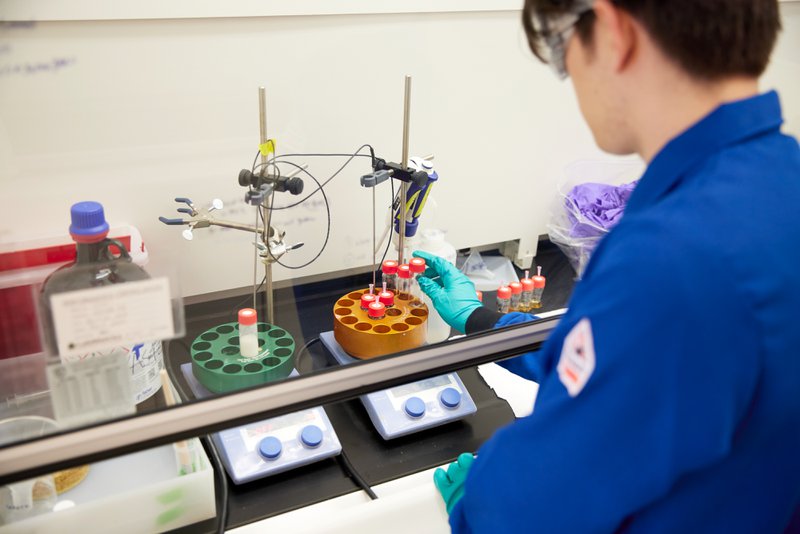
The 2022 edition changed the PFAS picture considerably. The standard added reduction criteria for PFHxS, PFNA, PFHpA, PFBS, and PFDA, creating a "Total PFAS" reduction claim alongside PFOA and PFOS. The combined limit also dropped from 70 ppt to 20 ppt. Certification covers more than performance alone. It also reviews materials safety, structural integrity, and label accuracy. Certified facilities face periodic audits and retesting.
Where the Standard Stops Short
A certification mark is strong evidence. It is not a promise of universal performance. The standard tests a defined list of compounds under defined conditions. A few gaps are worth understanding before you spend money.
- The compound list is fixed. GenX (HFPO-DA) sits outside the NSF/ANSI 53 PFAS claim, even though EPA regulated it in 2024.
- Challenge concentrations run well above typical environmental levels, which is favorable to adsorption-based removal. Real tap water carries competing organics.
- Certification is tied to a rated capacity. Performance past that gallon count is not covered by the mark.
- The listing applies to one model and configuration. A similar-looking product from the same brand may not be certified.
- Passing means staying under the threshold. That is not the same thing as non-detect.
Media chemistry drives most of these differences. Broad-spectrum carbon adsorbs many organics at once, so PFAS compete for available sites. An adsorbent built with molecular selectivity for PFAS behaves differently, especially with short-chain compounds.
Interpreting Results When EPA Limits Keep Moving
Certification numbers only help if you can compare them to something. This is where households get stuck. EPA publishes two figures for regulated contaminants. The Maximum Contaminant Level (MCL) is legally enforceable. The Maximum Contaminant Level Goal (MCLG) is a health-based target with no enforcement behind it.
The April 2024 rule set MCLs of 4.0 ppt for PFOA and PFOS, with 10 ppt limits for PFHxS, PFNA, and HFPO-DA. The MCLGs for PFOA and PFOS were set at zero. Then the ground shifted. In May 2026, EPA proposed two rules: one upholding the PFOA and PFOS standards while letting systems request until 2031 to comply, and another that would rescind the regulations for PFHxS, PFNA, HFPO-DA, and the hazard index mixture. Several states maintain their own enforceable limits regardless.
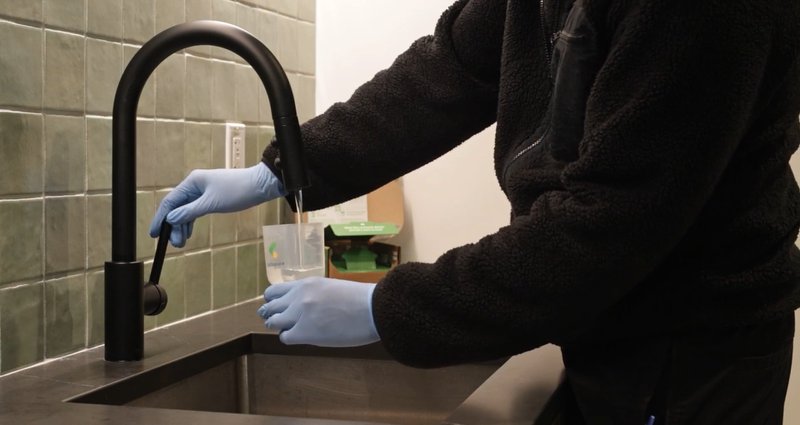
Notice the gap this creates. A filter can clear the 20 ppt combined threshold and still leave individual compounds above 4.0 ppt. A lab report becomes much easier to read once you know which framework applies where you live. Knowing your own starting numbers helps, and testing your water for PFAS is the only way to get them.
How to Verify a PFAS Filter Before You Buy
Ask for the listing, not the logo. NSF maintains a searchable database of certified products. Check the specific model number and the exact claim language. Then look at what the manufacturer has validated beyond the minimum.
Cyclopure builds its home filtration around DEXSORB®, a plant-based adsorbent engineered for PFAS capture. Purefast® Countertop is NSF certified under ANSI 42 and 53, and fits standard Brita® pitchers. Purefast® Home80 and HomeXtreme handle whole-home treatment at the point of entry. Company testing reports non-detect removal of PFOA, PFOS, PFHpA, PFHxS, PFNA, PFBS, GenX, and PFDA, covering the EPA PFAS 6 and all seven PFAS in NSF/ANSI 53.
Confirmation matters as much as certification:
- Test before installation so you have a baseline.
- Test again afterward to confirm the filter is doing its job.
- Water Test Kit Pro measures 55 PFAS analytes to a 1.0 ppt reporting limit.
- Sampling uses a DEXSORB-loaded extraction disc, so no water ships to the lab.
- Return shipping is prepaid within the USA, with results in 10 to 14 business days.
One clarification is worth making. NSF/ANSI 53 certifies treatment devices, not testing services. Certified lab methods require shipping water samples to a laboratory. Field extraction skips that step, which is exactly why the test kit falls outside that particular certification. Cyclopure's analytical methods are validated to EPA Methods 533, 537, and 1633. Filters and kits are both available in the Cyclopure shop.
Put a Number on Your Own Water
You do not need to become a standards expert to make a smart decision. You need two things. First, a filter whose claims survive independent scrutiny. Second, data from your own tap. Certification tells you what a product did in a controlled lab. A test result tells you what is happening in your kitchen. Together, they turn guesswork into a plan you can act on.
Our team of materials scientists and environmental engineers is happy to help you read the numbers, whether you are on a private well or a municipal system. Reach out to us and we will help you match the right PFAS solution to what is actually in your water.