
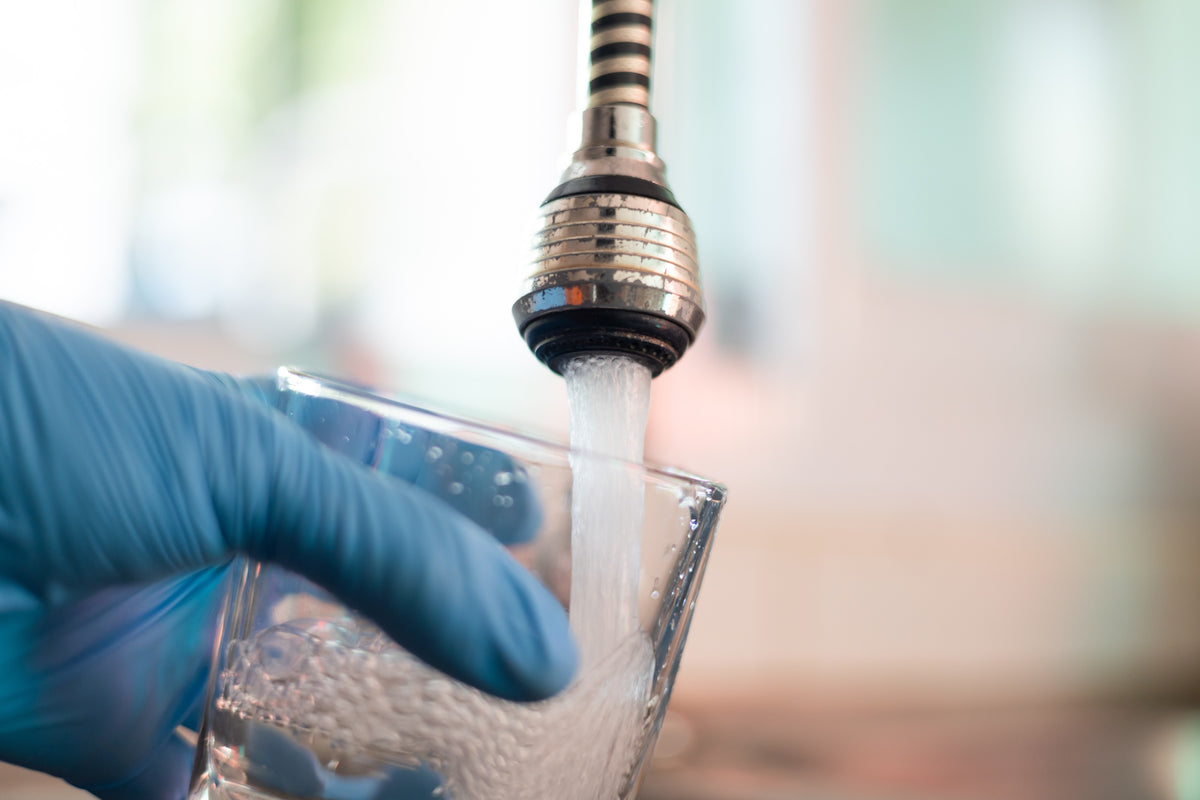
Per- and polyfluoroalkyl substances (PFAS) in private wells have pushed several states to launch testing and treatment programs for homeowners. If you have searched "what to do if PFAS in well water," your state may already offer free help. Knowing which programs exist helps you test sooner, save money on treatment, and avoid duplicate costs.
Our materials scientists, analytical chemists, and environmental engineers track state PFAS programs so well owners can find support faster. Programs change often, so treat the details below as a starting point and confirm with your state agency. Here is what several states currently offer and what you can do if your state has no program.
What to Do if PFAS Show Up in Your Well Water
Start by checking whether your state offers free PFAS testing, rebates for treatment, or site investigations near known sources. New Jersey, New York, New Hampshire, Massachusetts, Michigan, North Carolina, Wisconsin, and Washington’s Spokane County all run programs that serve private well owners. If your state has no program, you can still test your well and install PFAS treatment on your own.
Northeast State Programs for Private Well PFAS Testing
Four Northeast states offer PFAS programs for private well owners, though each works differently. Some require testing, some offer treatment rebates, and some provide free state-run sampling. Eligibility depends on where you live and what your results show. If you are wondering what to do if PFAS in well water show up, start with these options.
- New Jersey, certified lab testing for three PFAS compounds is required before a home sale, and landlords must test every five years.
- New York launched a 2026 pilot offering free PFAS testing and treatment rebates up to $5,000 in select counties.
- New Hampshire lets residents request free state sampling and offers rebates up to $5,000 for PFAS treatment systems.
- Massachusetts takes a narrower approach for now. MassDEP offers free testing, but only in towns where 60% or more of residents rely on private wells and there's no state rebate for treatment yet. A bill that would set statewide testing standards and fund local rebate programs has cleared committee but hasn't passed.
Rebates in New York and New Hampshire require results at or above state standards, so keep every lab report. New Hampshire also asks for post-treatment lab results and manufacturer specification sheets for your treatment equipment. Since the state prioritizes sampling requests, New Hampshire may not test every well that applies. Massachusetts residents outside a qualifying town can still arrange a certified lab test on their own, and it's worth watching for updates if that pending legislation advances.
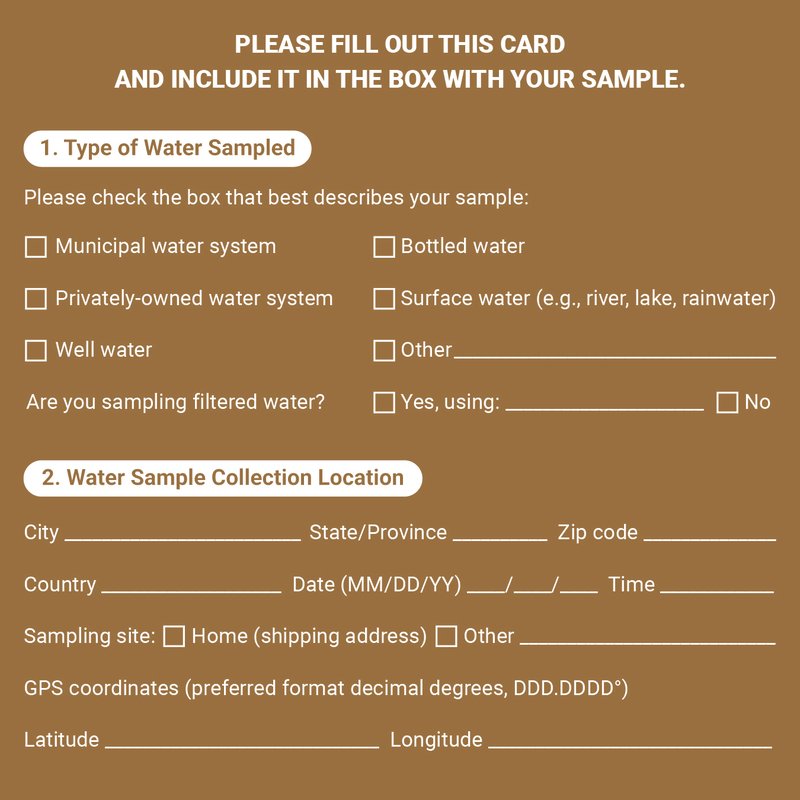
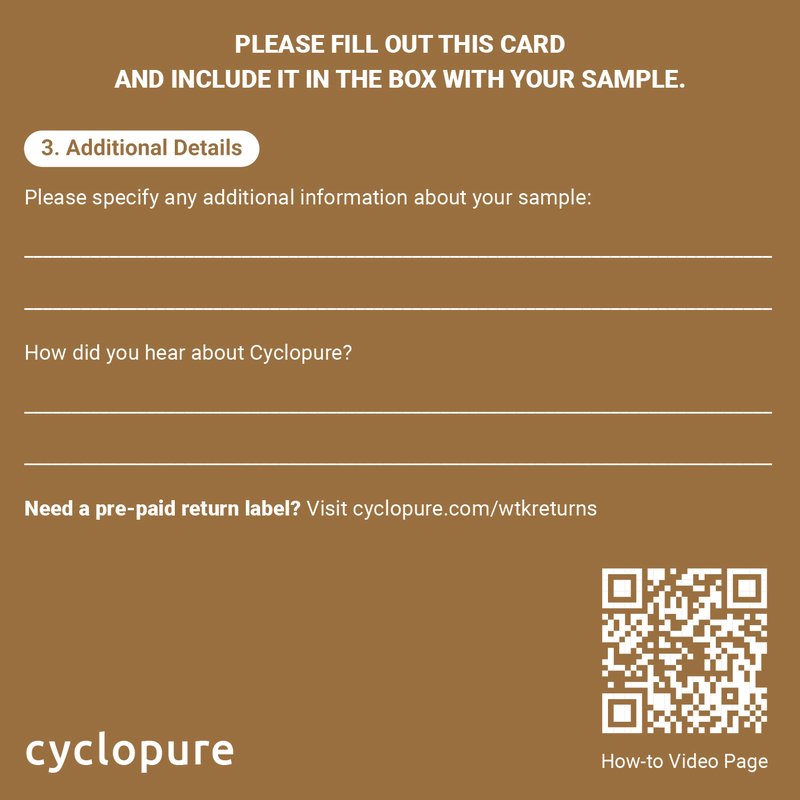
Rebate programs often require specific Environmental Protection Agency (EPA) lab methods, so check the testing rules before you sample. Outside the Northeast, Colorado's health department already uses our Water Test Kit Pro for PFAS in its free private-well testing program. For the state programs covered here, the kit works well for household screening, though rebate paperwork may still call for results from a state-certified lab.
What to Do if PFAS Are in Your Well in Michigan or North Carolina
Michigan and North Carolina focus their programs on wells near known or suspected PFAS sources. In Michigan, the state PFAS Action Response Team investigates sites and contacts nearby residents to request well sampling. Near a known source, the Michigan Department of Health and Human Services hotline (800-648-6942) can confirm whether your home sits in an investigation area.
Outside those areas, Michigan offers no free testing, but the state publishes a list of certified labs and sampling guidance. When the state samples your well, health officials share results and advise whether bottled or filtered water makes sense. For many Michigan households, what to do if PFAS in well water exceed guidance starts with that advice.
In North Carolina, a consent order requires Chemours to fund private well testing near its Fayetteville Works Plant. A March 2025 expansion significantly widened that area to reach well beyond the river communities originally covered and included ten counties and an estimated 150,000-plus additional households. Eligible homes that exceed set thresholds can receive bottled water, filtration, or a public water connection at no cost.
The state environmental agency lists which areas currently qualify, and residents can request sampling by contacting Chemours directly or through DEQ's online sampling-request form. Only the approved third-party contractor can sample wells under the order, so verify anyone who offers testing. Outside the eligible area, North Carolina well owners can still arrange private testing through a certified lab or home kit.
Wisconsin launched its PFAS Private Well Testing Program in October 2026. Eligible well owners outside a community sampling area can request a home sample kit from the Wisconsin State Lab of Hygiene and return it with a prepaid label. The state also added $35 million to its Well Compensation Grant Program, which DNR expects to open in early 2027. Once it does, well owners who find PFAS may be able to apply for help with a treatment system, a new well, or a public water connection.
In Washington, Spokane County runs a whole-house filter program for private wells in the West Plains, funded by $7.5 million from the state legislature. Any private well with PFAS above drinking water standards is eligible. Homes near Spokane International Airport and Fairchild Air Force Base have separate programs that cover testing and whole-house filtration. Spokane Regional Health District’s PFAS navigator can help residents check eligibility.
What to Do if PFAS Are in Your Well Water Without a State Program
Many states have no dedicated PFAS program for private wells, but you still have practical options. Start by calling your state health department, since agencies sometimes sample wells near sites under investigation. Your county health office can also share local guidance, certified lab lists, and any funding updates.
Meanwhile, our Water Test Kit Pro screens 55 PFAS analytes down to 1.0 parts per trillion from home. You mail back only the sample cup, and results arrive 10 to 14 business days after the lab receives it.
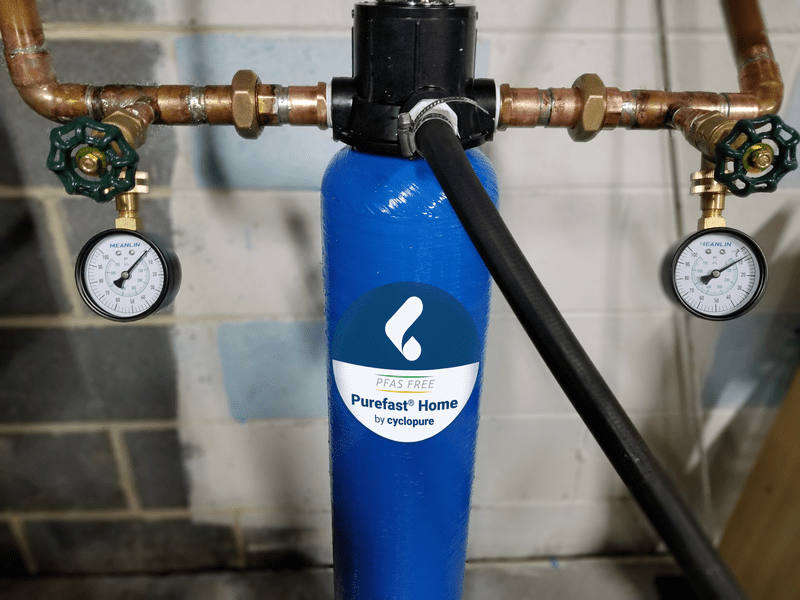
Once results arrive, what to do if PFAS in well water appear depends on your levels and household needs. For drinking and cooking, the Purefast® Countertop fits pitchers that use standard-size Brita® filters and needs no plumbing. For every tap, Purefast® Home systems use DEXSORB®, which reduced eight PFAS (PFOA, PFOS, PFHxS, PFBS, PFNA, PFDA, PFHpA, and GenX) to non-detect levels under tested conditions.
The Home80 treats 80,000 gallons, while the HomeXtreme treats 160,000 gallons before replacement. If you later qualify for a rebate, keep receipts, product documentation, and post-installation lab results on file.
Finally, check back with your state agency each year, since new programs and funding continue to appear. New York launched its pilot in 2026, Wisconsin launched its testing program in October 2026, and New Hampshire reinstated its rebate program in 2024. As a result, you may find new support next year even if your state offers none today.
Build Your PFAS Plan With Cyclopure
State programs can lower your costs, but eligibility, funding, and testing rules vary from one state to the next. Check your state agency first, then fill any gaps with home screening and treatment sized to your household. Keeping every report and receipt organized also helps if a rebate program opens in your state later.
Our materials scientists, analytical chemists, and environmental engineers can help you connect state resources with the right Cyclopure testing and treatment. Whether you qualify for a program or plan to act on your own, we can walk you through each step. Send our team a message today, and we will help you build a PFAS plan that fits your state.